


Tension Wrenches & Tools
Tension wrenches & tools
Tension wrenches that fit the keyway and let the pins talk
The tension wrench turns the plug while your pick sets the pins, and most first-time frustration starts here. Bottom of Keyway turners are the classic shape to learn on, Top of Keyway wrenches leave the keyway open for your pick, and a spread of thicknesses means you are never forcing one wrench into every lock.
- Free US shipping over $49
- Top and Bottom of Keyway turners
- Light tension, clearer feedback
- 4.5★ from 11,800+ reviews
- 100,000+ customers

Choose your tension wrench

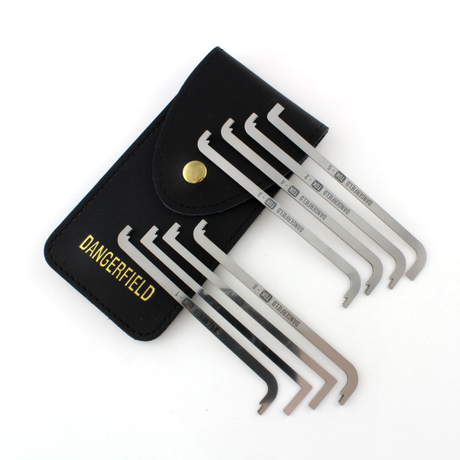
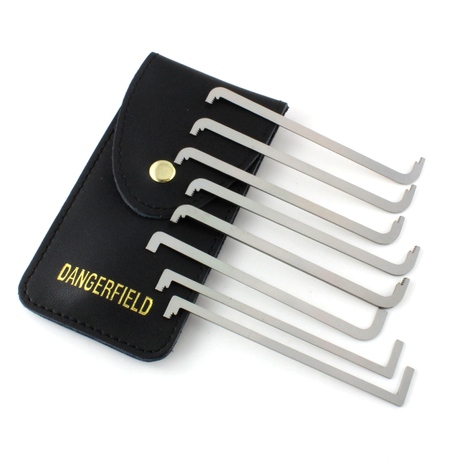
Dangerfield EXTENDED Top of Keyway TOK Tension Wrench Set + Case
$31.99$39.99BLACK FRIDAY 20% OFFUnit price /Unavailable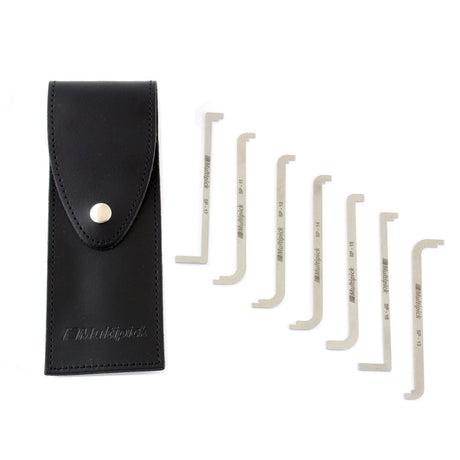
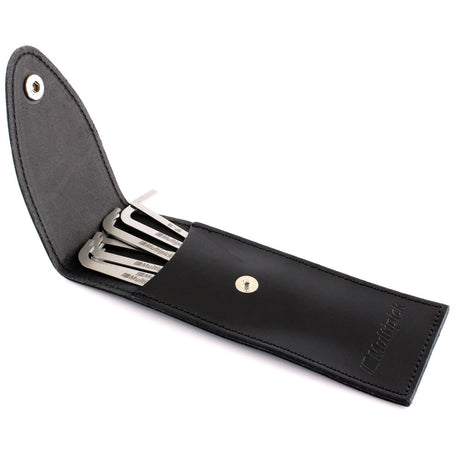
Multipick ELITE Top of Keyway 7 Piece Wrench Set 2 + Case
$31.99$39.99BLACK FRIDAY 20% OFFUnit price /Unavailable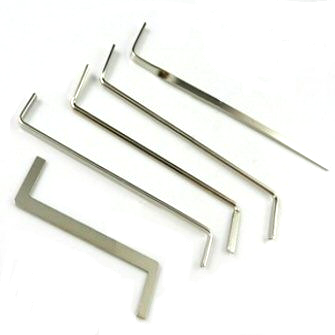
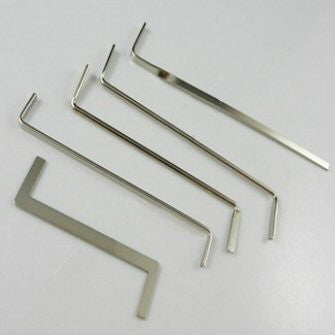
Lokko 5 Piece Lock Picking Tension Wrench Set
$11.99$14.99BLACK FRIDAY 20% OFFUnit price /Unavailable

Multipick Expert Adjustable Circular Tension Tool
$60.79$75.99BLACK FRIDAY 20% OFFUnit price /Unavailable
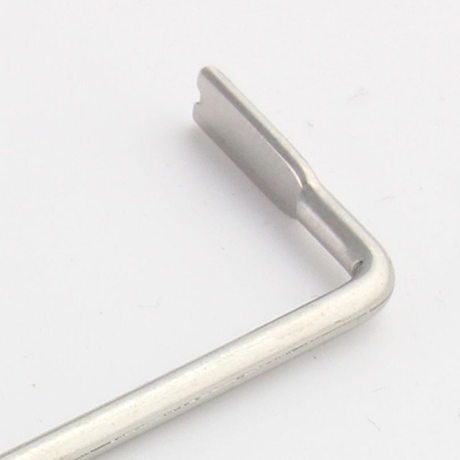
Dangerfield Zedwrench Lock Pick Tension Wrench
$7.99$9.99BLACK FRIDAY 20% OFFUnit price /Unavailable

Brockhage Feather Touch Tension Tool for Light Lock Tension
$9.59$11.99BLACK FRIDAY 20% OFFUnit price /Unavailable


Your next step
What do you want to do next?
-
Learn on Bottom of Keyway
Classic L-shaped turners sit low in the keyway and are the easiest way to learn steady pressure. A set of five gauges gives you a turner for tight and open keyways, and the ZedWrench adds angled spade ends when a straight wrench feels flat in hand.
-
Get picks and turners together
PRAXIS gives you 16 dual-gauge picks with 5 tensioners for both sides of the keyway, and the Lokko Beginners Box pairs its picks and turners with clear practice locks so you can watch the pins set.
Why tension matters
Why the right tension wrench changes every pick
Every pin you set is held at the shear line by the turning pressure on the plug. Better tension tools give you steadier pressure and clearer feedback, so you feel the binding pin instead of guessing.
Tension is the feedback
The wrench is how the lock talks back. Too much pressure and the pins jam, too little and they drop, so the right turner makes every pick feel better.
Fit beats force
Keyways come in different widths and depths. A spread of thicknesses and shapes lets the wrench seat firmly instead of slipping or crowding the pins.
Room for your pick
Top of Keyway wrenching keeps the turner out of the way of the pin stacks, which gives your hook and rake more space to work.
What are the best tension tools for lock picking?
The best tension tool is the one that fits the keyway and lets you hold light, steady pressure. Most pickers end up with two kinds. Bottom of keyway (BOK) wrenches are the classic L-shape that sits low in the keyway, and they're the easiest to learn on. Top of keyway (TOK) wrenches are flat bars that sit at the top, grip the plug more firmly and leave the keyway open for your pick. Once your tension hand settles down, TOK is usually where finer feedback comes from. More on that in our guide to top of keyway tension.
If you want to add a different feel to any set, try the Dangerfield ZedWrench. Its twisted shaft and angled spade ends work well when a straight wrench feels too flat in your hand.
If you'd rather get tension tools and picks together, the Dangerfield PRAXIS comes with a Z-Wrench, a long twist wrench, a short standard wrench and top of keyway wrenches, so you can tension from either side of the keyway. The Lokko Beginners Box comes with 6 tensioners and 2 clear practice locks to learn on.
Lock Pick Tension Wrenches & Tools
The tension wrench is the first tool into the lock and the one you turn it with. That light turning pressure makes one pin bind at a time and creates a tiny ledge at the shear line, so each pin you lift has somewhere to sit while you work the next. Whether you're picking, raking or bumping, every pin you set is held there by your tension hand. That is why a good turner changes how every pick in your set feels.
Keyways come in different widths and depths, so one wrench will never fit every lock. A spread of thicknesses lets the turner seat firmly instead of slipping or crowding the pins, and the Lokko 5 Piece Tension Wrench Set gives you five classic turners in different gauges, including a shape that suits some dimple lock work. When you want an extended reach and room for your pick, the Dangerfield Extended TOK set gives you eight Top of Keyway wrenches in a leather case.
How Much Tension Should You Use?
Less than you think. Most new pickers turn too hard, and the pins jam before they can set. Start with just enough pressure to feel the plug want to move, lift until a pin clicks, then ease off slightly if the next pin feels stuck. If the pins drop back down, add a touch more. The Brockhage Feather Touch Tension Tool has a sprung body that absorbs extra pressure, so it teaches your hand how light most locks want you to be.
Tension Wrenches and Rakes
Raking needs tension too. Hold the wrench lightly, sweep the rake through the pins, and let the plug turn as the pins catch at the shear line. Lighter tension usually sets more pins per pass, and a TOK wrench leaves the whole keyway free for the rake. Browse our lock pick rakes to pair one with your turner.
What Are Tension Wrenches For?
Tension wrenches turn the plug of pin tumbler locks, the locks you'll find on most house doors, while your pick sets the pins. They also turn wafer locks, dimple cylinders and many other lock types, which is why every lock pick set comes with them and why most pickers keep a few extra in the kit.
What is a Circular Tension Tool used for?
A circular tension tool wraps around the face of the plug instead of sitting inside the keyway. It gives you even, constant turning pressure, keeps your fingers clear and leaves the whole keyway free. It shines with Lock Pick Guns, because it stays seated while an electric pick gun is moving. The Multipick Expert Adjustable Circular Tension Tool has adjustable prongs you can set to suit the lock face.
What Can I Use Instead of a Tension Wrench?
A small strip of flat, springy metal can turn a plug in a pinch, and plenty of pickers have started that way. Improvised turners are usually the wrong thickness for the keyway, though, so they slip, bend or crowd the pins, and the feedback you need gets lost. A proper tension wrench seats firmly, holds its shape and lets you feel each pin bind. It is the smallest upgrade in lock picking and often the one that gets you your first open.